The 2026 engagement market has one clear headline:
You can now buy a 4 carat lab grown diamond ring under $3,000.
Ten years ago, that sentence would have sounded unrealistic. Today, it’s a searchable, shoppable category. Production scale, global competition, and maturing growth technology have collapsed prices while maintaining identical chemical and optical properties to mined stones.
This guide breaks down:
- Real 2026 pricing benchmarks
- What a 4 carat diamond actually looks like
- CVD vs HPHT differences
- Best cut, color, clarity combinations under $3,000
- Setting engineering for large stones
- Resale reality
- Long-term price outlook
- Exact buying checklist
If you’re targeting maximum visual impact without overspending, this is the blueprint.
What Does a 4 Carat Diamond Actually Look Like?
A 4 carat round brilliant is approximately 10.3–10.5mm in diameter.
A 1 carat round is about 6.4–6.6mm.
That difference doesn’t sound massive — but surface area increases dramatically.
1 Carat vs 4 Carat Size Comparison


Key impact differences:
- 4 carat covers significantly more finger width
- Facets are larger → sparkle appears broader and more dramatic
- Light return is more noticeable across distance
- Presence in photos and video is amplified
This is why social platforms accelerated demand. On camera, size reads clearly.
In person, it dominates.
4 Carat Lab Grown Diamond Price in 2026
Here is the current 2026 market reality for high-quality stones:
| Specification | Natural Diamond (2026) | Lab-Grown Diamond (2026) |
|---|---|---|
| 4.00ct, F, VS1, Ideal | $65,000 – $110,000+ | $2,400 – $3,200 |
| Chemical Structure | Pure Carbon | Pure Carbon |
| Visual Appearance | Identical | Identical |
| Scarcity | Finite | Scalable |
| Production Method | Geological | Technological |
Realistic Buying Target Under $3,000
For 2026, a competitive spec example looks like:
- 4.01 carat
- F color
- VS1 clarity
- Ideal cut
- IGI certified
- $2,750–$2,950 retail
Anything significantly cheaper often compromises cut or symmetry.
Why 4 Carats Became the New Standard
Historically:
- 0.5 carat = respectable
- 1 carat = milestone
- 2 carat = luxury
- 4 carat = ultra-rare
Lab production disrupted that hierarchy.
Psychological Shift
Modern buyers prioritize:
- Visual scale
- Ethical sourcing transparency
- Capital efficiency
- Long-term wearability
Spending $70,000 for geological rarity is no longer aspirational for many.
Spending $3,000 for maximum visible brilliance is seen as smart.
CVD vs HPHT: Which Is Better for 4 Carat Stones?
Two dominant lab growth methods exist:
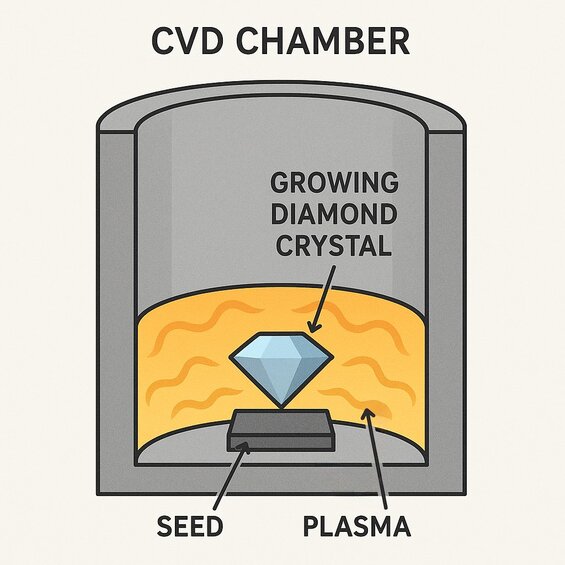
1. CVD (Chemical Vapor Deposition)



Process:
Carbon-rich gas is ionized into plasma. Carbon atoms bond layer-by-layer onto a diamond seed.
Strengths:
- High clarity potential
- Minimal metallic inclusions
- Excellent structural consistency
Watch for:
- Brown undertones if growth is rushed
- Visible growth graining in lower quality production
2. HPHT (High Pressure High Temperature)

Process:
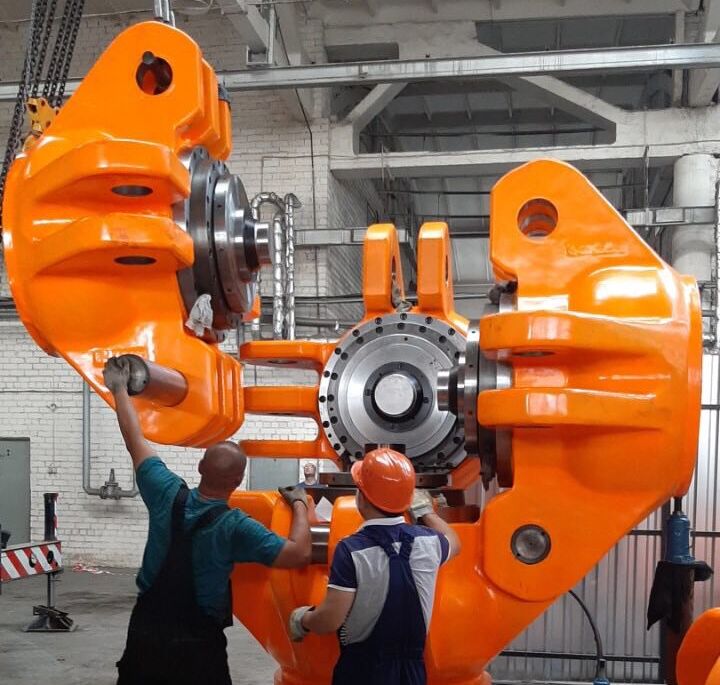
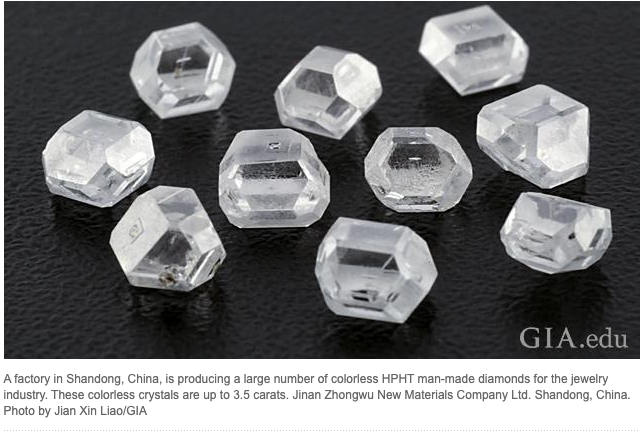
Mimics Earth’s conditions using extreme pressure and temperature.
Strengths:
- Often excellent color (D–F range)
- Strong crystal integrity
Watch for:
- Microscopic metallic inclusions
- Magnetic response (in rare cases)
Which Should You Choose?
For a 4 carat lab grown diamond under $3,000:
- Prioritize cut and certification over growth method
- Avoid stones with visible graining
- Choose F–G color sweet spot
- Confirm eye-clean clarity
Both CVD and HPHT are real diamonds. Differences are detectable only with advanced testing equipment.
The 4Cs Matter More at 4 Carats
At larger sizes, flaws are easier to see.
1. Cut — Non-Negotiable
A poor cut in a 4 carat stone looks:
- Glassy
- Dull
- Dark in the center
Only buy:
- Ideal cut
- Excellent symmetry
- Excellent polish
Safe round brilliant proportions:
- Depth: 60–62.5%
- Table: 54–58%
Light performance defines value.
2. Color — Don’t Overpay
You do not need D color.
For value optimization:
- F = bright white
- G = near-colorless, strong value
- H = acceptable in warm settings
D and E premiums are unnecessary unless perfection is personal preference.
3. Clarity — Eye Clean Is the Goal
At 4 carats:
- VS1 = very safe
- VS2 = usually safe
- SI1 = risky unless verified
Never buy visible inclusions at this size.
Large facets expose imperfections easily.
Best Shapes for 4 Carat Lab Diamonds Under $3,000
Round Brilliant
Most expensive per carat. Maximum sparkle. Safest resale demand.
Oval
Appears larger per carat. Excellent finger coverage.
Cushion
Vintage appeal. Softer brilliance.
Emerald Cut
Step-cut. Requires higher clarity (VS1 minimum recommended).
4 Carat Diamond on Hand: Realistic Visual Impact

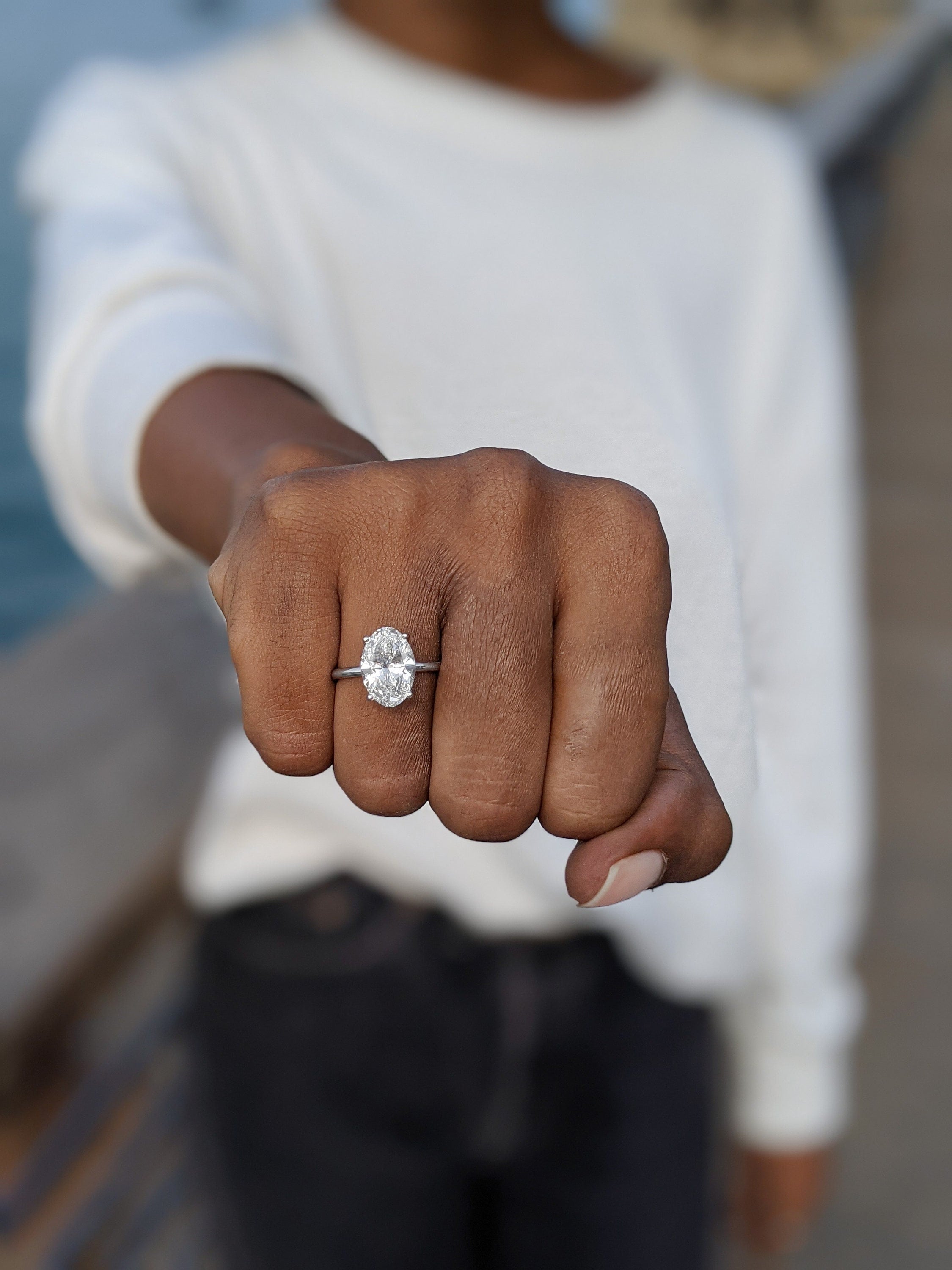


Expect:
- Strong presence across room
- High light dispersion under natural light
- Dominant visual in photos
This size is a statement. It is not subtle.
Setting Engineering for 4 Carat Stones
A large diamond requires structural integrity.
Best Metal Choices
Platinum
- Dense
- Durable
- Best for prong longevity
18k Gold
- Strong but softer
- Requires annual prong inspection
Security Features
- 6-prong setting preferred
- Gallery rail support
- Thick prongs (not ultra-thin minimalist)
- Low profile for stability
Avoid ultra-delicate Instagram-style settings with thin prongs. Structural failure risk increases with weight.
Is a 4 Carat Lab Diamond Too Big for Daily Wear?
It depends on lifestyle.
Consider:
- Office environment
- Glove usage
- Active lifestyle
- Ring height
Low-profile solitaires increase daily practicality.
Resale Value: The Reality
Lab-grown diamonds:
- Depreciate like technology
- Not investment assets
Natural diamonds:
- Lose 30–50% immediately at retail
- Recover value slowly over decades
If financial preservation is priority, neither retail purchase is optimal.
If lifetime wear is priority, lab-grown maximizes capital efficiency.
Why 4 Carat Lab Diamonds Dropped Below $3,000
Key drivers:
- Scaled production in India and China
- Reactor efficiency improvements
- Competition among online retailers
- Consumer shift toward lab demand
- Decreased mined diamond control over pricing narrative
Price compression between 2022–2026 has been significant.
Will Prices Drop Further?
Short-term volatility may continue.
However, pricing floor factors include:
- Electricity costs
- Skilled diamond cutters
- Certification expenses
- Retail margin requirements
Most analysts expect stabilization rather than collapse.
Buying Checklist: 4 Carat Lab Grown Diamond Under $3,000
Use this framework:
Cut
- Ideal or Excellent only
- Confirm symmetry
Color
- F or G recommended
Clarity
- VS1 or VS2 eye clean
Certification
Proportions
- Depth: 60–62.5%
- Table: 54–58%
Avoid
- Strong brown tint
- Visible inclusions
- Extremely shallow stones
- Deep stones hiding spread
Example Budget Breakdown
Budget: $3,000
- Diamond: $2,700
- Simple platinum setting: $300–$500
Total realistic range: $3,000–$3,300
Trying to go significantly lower often sacrifices cut.
Frequently Asked Questions
Can a jeweler tell if it’s lab-grown?
Not with a loupe. Advanced spectroscopy is required.
Does a lab diamond cloud over time?
No. Hardness is 10 on Mohs scale.
Chemically identical to mined diamond.
Is 4 carats excessive?
For minimalists, yes.
For maximum visual impact, no.
Is $3,000 realistic in 2026?
Yes, for F–G color, VS1–VS2 clarity, Ideal cut in round or fancy shapes.
Who Should Buy a 4 Carat Lab Grown Diamond?
Ideal for buyers who:
- Prioritize size and brilliance
- Reject traditional mining premium
- Prefer financial flexibility
- Want maximum visual impact
Not ideal for buyers focused on resale or rarity-based collecting.
Final Perspective: The 2026 Engagement Market Reset
The 4 carat lab grown diamond ring under $3,000 is no longer an anomaly. It represents a structural market shift.
Luxury is transitioning from:
“Rare because it’s scarce”
to
“Impressive because it’s intelligently chosen.”
If your objective is visible brilliance, structural durability, and financial discipline — this category currently offers unmatched value.
The market has changed. The options are real. The scale is accessible.
The only variable left is how strategically you buy.